Your Subtitle text

Wildlife Management Tax Valuation (WMV)

In 1995, Texas voters approved Proposition 11, which amended Article VIII, Section 1-d-1 of the Texas Constitution to permit agricultural appraisal for land used to manage wildlife.

Simply put, wildlife management tax valuation (WMV) is a way for you to manage for an indigenous (native) species of Texas wildlife and at the same time maintain your favorable tax status that you enjoy under ag.

Texas law states YOU MUST have a CURRENT agricultural valuation before you can transition into the wildlife management tax valuation.

The Tax Code (Section 23.51(7)) defines wildlife management as: Actively using land that at the time the wildlife management began was appraised as qualified open space land under this subchapter in at least three of the following ways to propagate a sustaining breeding, migrating, or wintering, population of indigenous wild animals for human use, including food, medicine, or recreation:

    (A) habitat control;
    (B) erosion control;
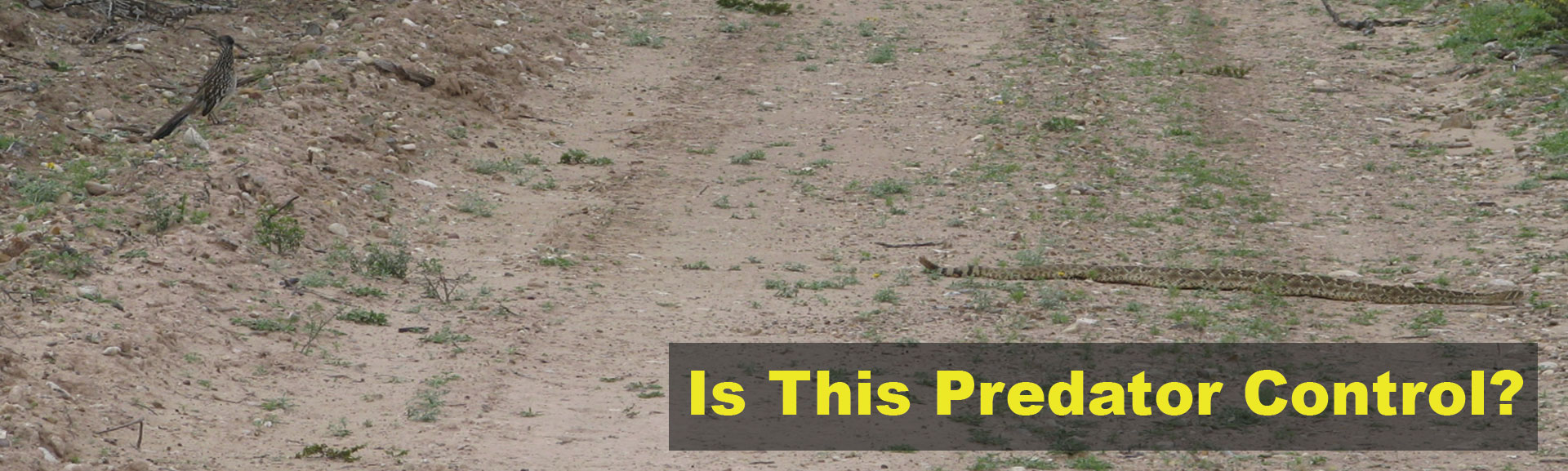
    (C) predator control;
    (D) providing supplemental supplies of water;
    (E) providing supplemental supplies of food;
    (F) providing shelters; and
    (G) making census counts to determine population.

Therefore, the first requirement to qualify for a Wildlife Management Use valuation is that the property must have been qualified and appraised as agricultural land during the year before the year the owner changes to Wildlife Management Use. Remember that the tax code recognizes wildlife management as an agricultural use.

The second requirement is that the land must be used to generate a sustaining breeding, migrating, or wintering population of indigenous (native) wild animals. Land may also qualify if it is instrumental in supporting a sustaining breeding, migrating or wintering population. In other words, birds or other animals do not need to permanently reside on the land, provided that they migrate across it or use it seasonally.

The third requirement is that the wildlife population must be produced for human use. This may include food, medicine, or recreation. Recreational uses can be active or passive and include hunting, photography, bird watching, hiking and other activities for pleasure or sport. Enjoyment derived from land ownership and managing wildlife is also a qualifying recreational use.

Habitat control, erosion control, predator control, providing supplemental water, providing supplemental food, providing shelter and making census counts are approved wildlife management activities. For land to qualify under Wildlife Management Use, the landowner must implement at least three of these seven approved practices.

WHY move from ag to wildlife?

  • Maybe you are tired of dealing with the challenges associated with livestock.
  • You may have a physical or medical condition that affects your ability to deal with livestock or whatever your ag valuation is.
  • Want to keep the same tax benefits as you enjoyed with ag.
  • To decrease the costs of operation and the workload associated with ag.
  • Increase the quality of wildlife and your land's habitat.
  • Increase the resale value of your land.
  • OR you just want a place in the country without having to place livestock or raise crops on your land.